
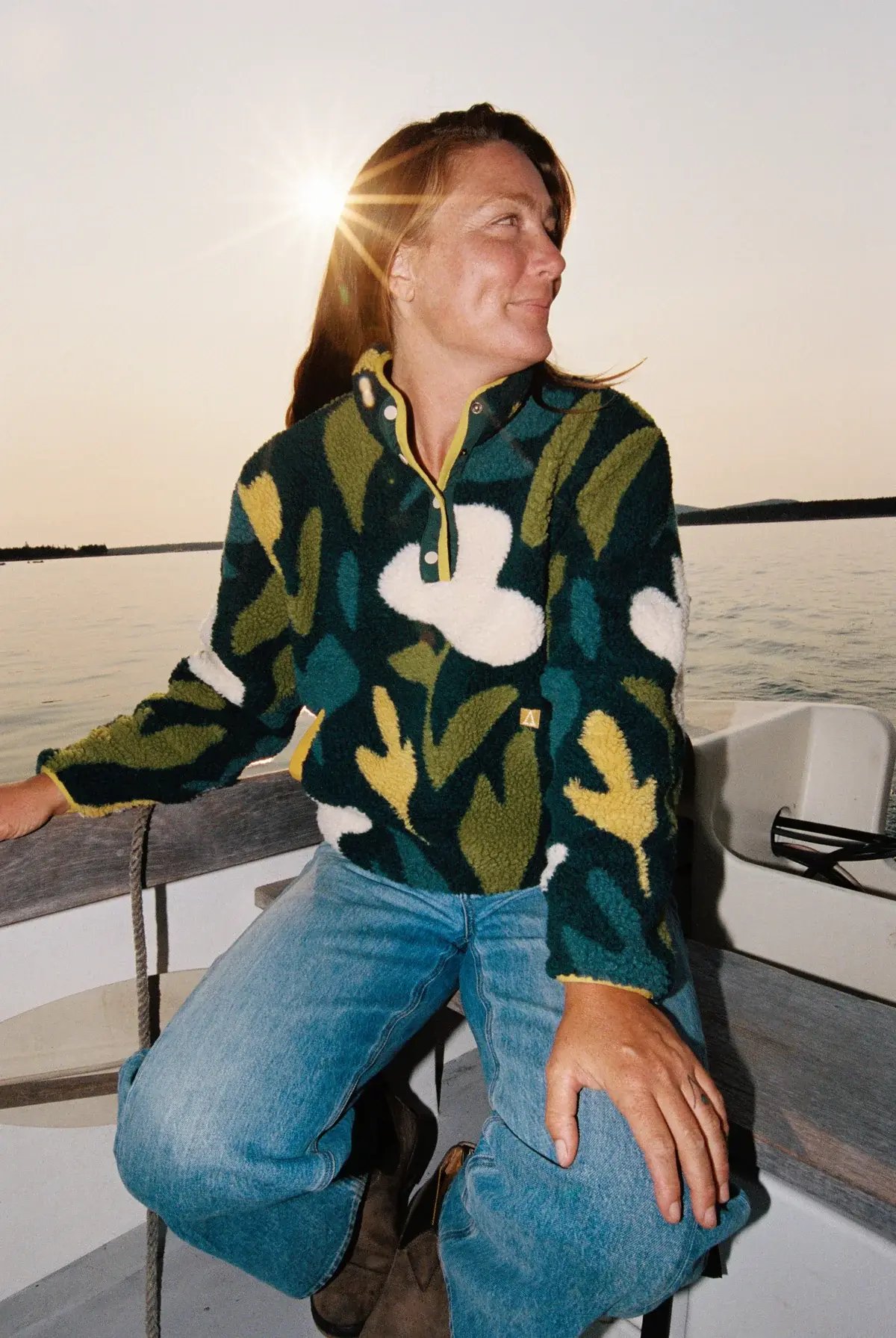
Walk into an outdoor shop, a national park gift store, or a mountain-town boutique, and there’s a good chance you’ll find a little Landmark on the shelf.
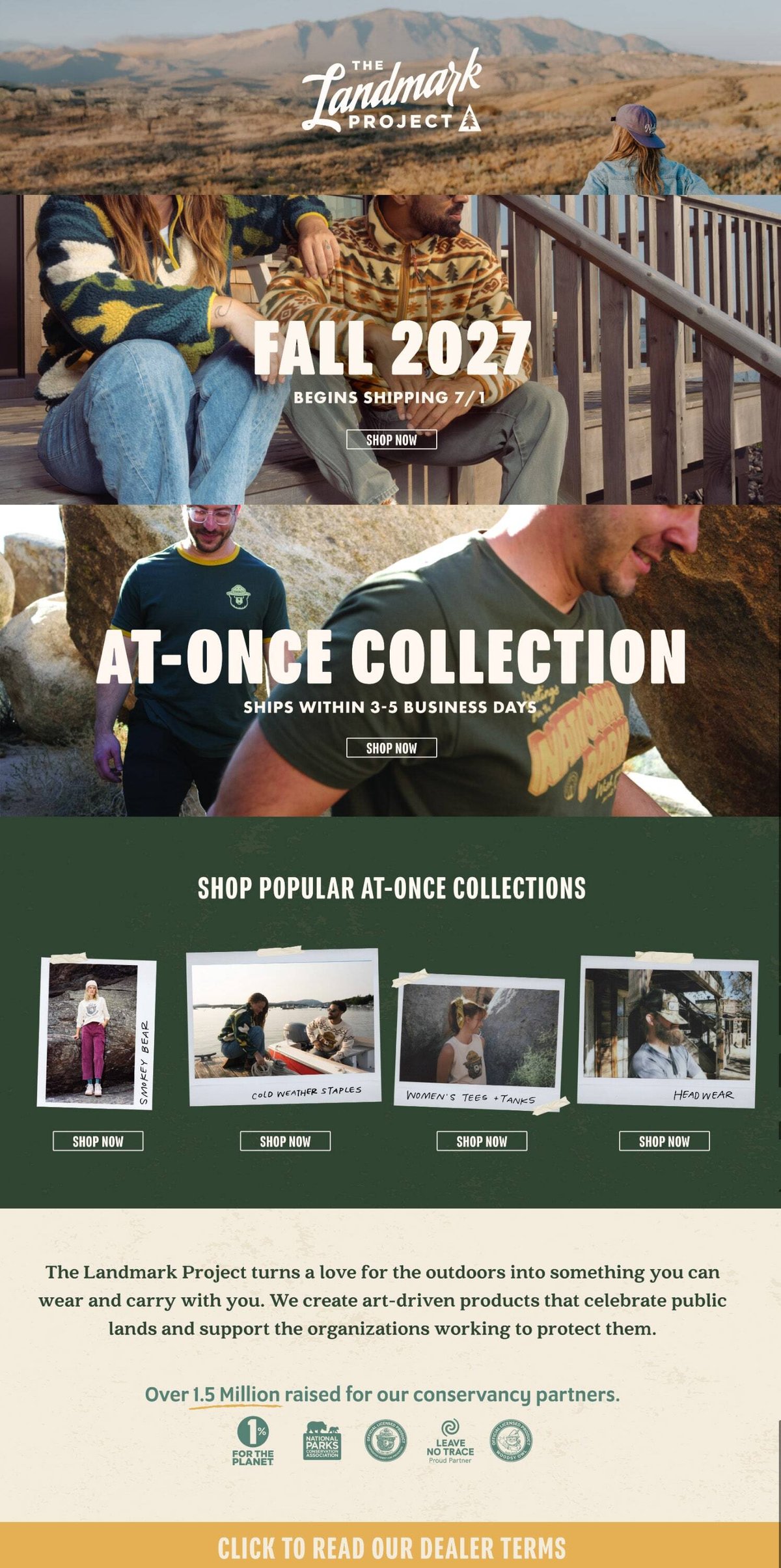
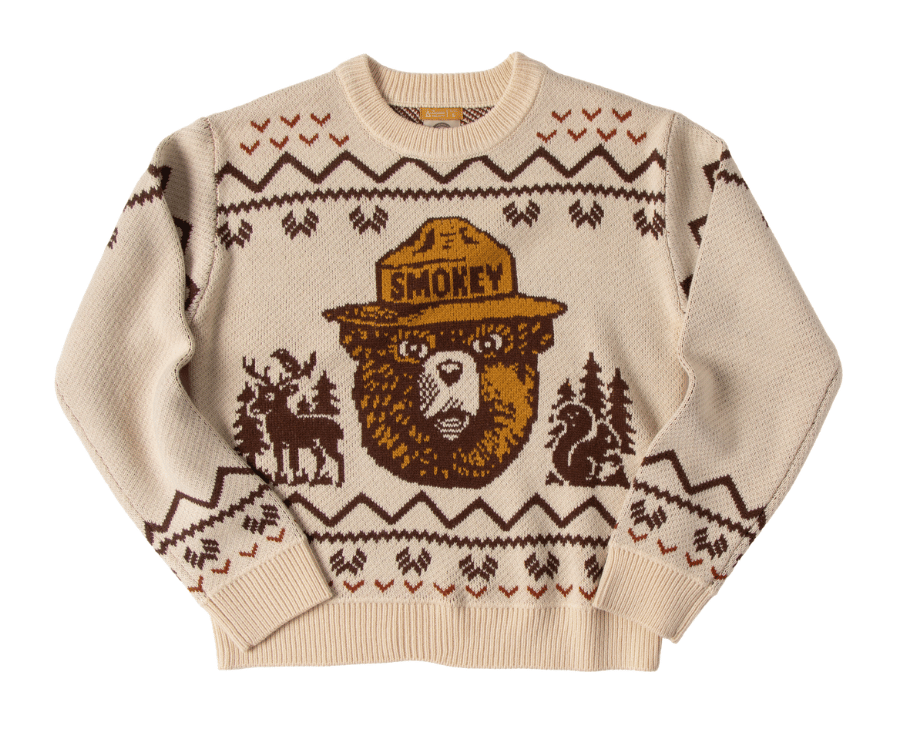
For more than a decade, The Landmark Project has made evocative art for the great outdoors: Smokey Bear tees, national park maps, Appalachian wildlife bandanas, and nostalgic stickers that ride along on water bottles for years. It’s a line made for discovery, but also a little bit of impulse. For most of its life, Landmark sold it that way: at-once, whenever a retailer needed a refill.
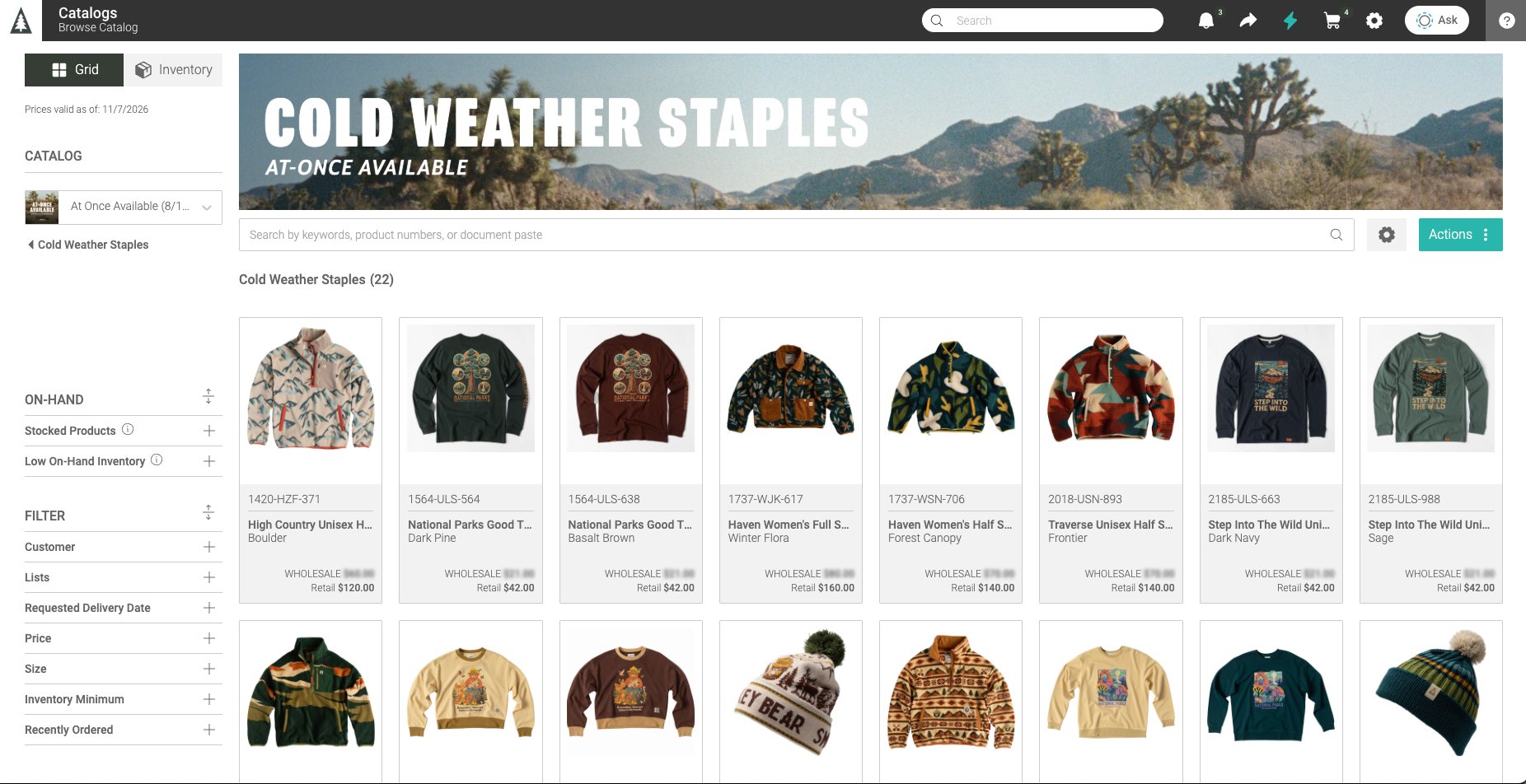
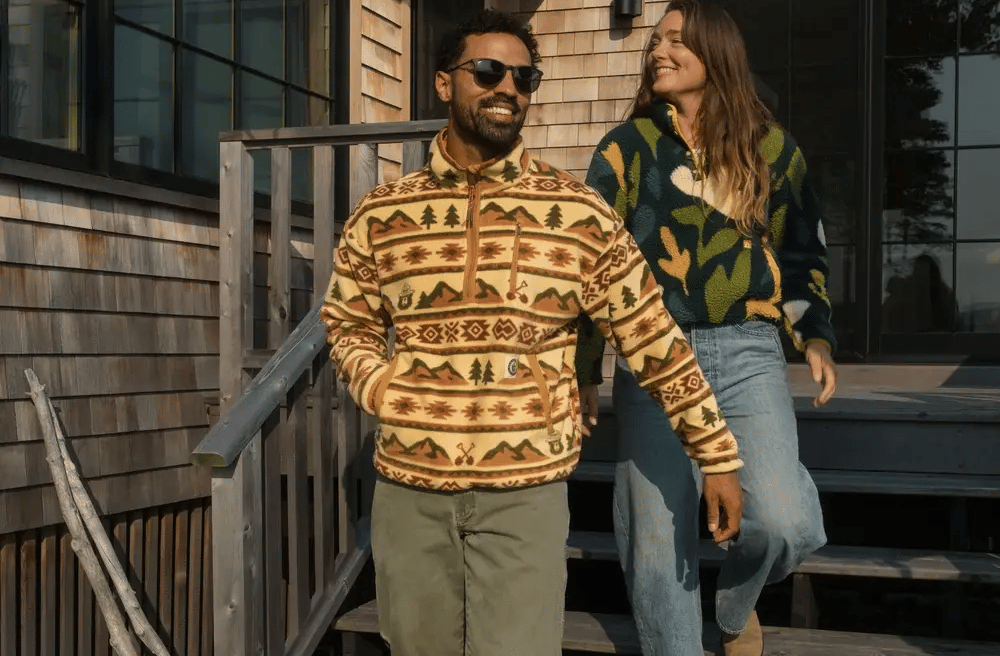
But as Landmark added fleece and knit sweaters, a fuller apparel collection began to take shape. Retailers had a chance to build more of their season around the brand, and Landmark needed to be part of those plans well before the products reached the shelves. That meant giving buyers a way to put together an assortment and commit to it ahead of time.
This is the story of how Landmark made that shift with Envoy B2B, and what happened when its retailers finally had a real way to plan ahead. We sat down with Jen Moreau, Co-CEO at The Landmark Project, to talk about the journey.
For the first 10-or-so years, at-once worked. Landmark’s line was built for quick refills, and online marketplaces kept a steady stream of small new accounts coming in. When COVID tore up the supply chain map, Landmark stepped back from prebooks altogether, and retailers settled into a simple rhythm: grab a few accessories when the shelf looks thin.
“If we wanted to expand into fleece and more traditional apparel, beyond graphic tees and accessories, an at-once model wasn’t going to be sustainable.”
There was room for Landmark to become a bigger part of its retailers’ stores, provided it could help them plan for that growth. The team needed to manage prebooks and future delivery dates alongside the at-once orders that were already central to the business. Finding a B2B platform that could bring those two ways of buying together had become a priority.
Jen already knew Envoy from the other side of the table, having used it as a buyer. So when Landmark started evaluating B2B platforms in 2025, she went in with a clear picture of what good looked like and a long list of questions. Landmark sat in on calls with technical teams from several providers. When they told Envoy it had won the business, they put it simply: “We felt like you really met us where we were.”
A direct line to Brightpearl.
Brightpearl is Landmark’s source of truth. Instead of shuttling flat files back and forth, Envoy offered to build a direct integration and dig into Landmark’s own environment to get it right.
“We felt like Envoy would get into our system, really understand our environment, and help us make the direct integration happen.”
A small team, talking to a small team.
Envoy took the time to understand how Landmark worked and what they needed. For Jen, choosing a platform also meant choosing the people her team would turn to when questions came up.
“You’re a small team, we’re a small team, and we felt we’d have an easier time just talking about things without going through who knows how many layers. New technology is hard. We wanted to work with people we thought would take care of us.”
A direct connection between Envoy and Brightpearl keeps wholesale information moving,
with less manual work for The Landmark Project’s team.
Jen, on seeing Landmark’s data connected for the first time
Trade shows used to mean writing orders by hand and keying them into Brightpearl after the fact. Now Jen walks into every meeting ready to use Envoy to help convert that line showing into an order.
At a recent show, a buyer fell hard for Landmark’s new fleece and wanted to build a whole winter collection on the spot: fleece, socks, beanies, the works. Being proactive with a new tool at her disposal, Jen already had a template order ready to go. She simply turned the laptop around and let the retailer drive.
In the old setup, the best Jen could have offered was a line sheet and a promise to follow up, and Landmark would have joined the pile of brands waiting on that buyer after the show. With Envoy open on her laptop, she could write the order while the fleece was still fresh in that buyer’s mind.
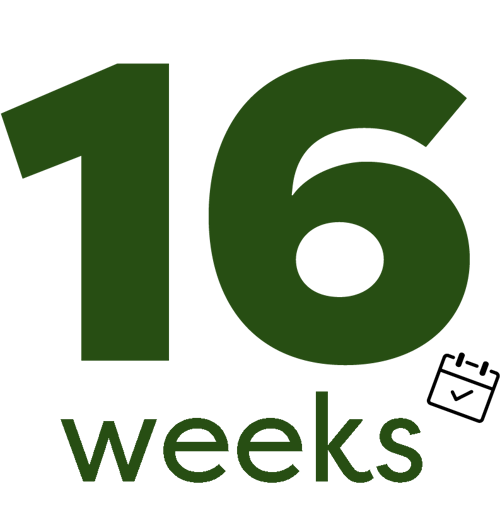
Landmark’s first prebook season on Envoy ran through the spring trade shows: Grassroots Outdoor Alliance (GOA) and the regionals. In previous seasons, prebooks had been modest, mostly coming from longtime accounts already accustomed to ordering ahead. With a better way to capture future orders, Jen would have been thrilled to double what Landmark had typically booked during that window.


They had hoped to double their prebooks. They ended up with five times their usual prebook sales. The team had suspected that its at-once setup was holding back prebooks, but the response showed just how much opportunity there was. Given a workable way to order ahead, retailers had committed far more than Landmark anticipated.
For a brand expanding into fleece and a fuller apparel collection, those commitments really meant something. Retailers were making room for Landmark in their seasonal plans, and the team could see how much opportunity there was in helping them do it. Jen’s attention was turning to how that understanding could shape the way Landmark worked with its retailers.
Planning a season starts well before a shelf needs refilling. Retailers are deciding which products belong together, how much of a collection to bring in, and when they’ll need it. As Landmark’s line grew, becoming part of those decisions meant working on the retailer’s timetable.
Envoy gave Landmark a practical way to follow through on that idea. The team could help a buyer work through the collection and put together an order for a future season, while continuing to support the at-once buying that already suited many of its accounts. Retailers were also telling Jen they found the platform easy to use, an encouraging sign as Landmark introduced this new way of working together.
The experience was prompting Jen to look more closely at Landmark’s own approach, too. A broader collection gave retailers more choices, which made the way the brand presented its line and guided buyers through it increasingly important. After seeing what one prebook season could produce, she was thinking about how to carry that progress into the seasons ahead.
Six months in, Landmark is just getting started. As the line grows into fleece, knits, and a fuller apparel collection, Jen is looking ahead to Envoy’s visual selling tools: digital catalogs, richer product stories, and features and benefits that help a fleece sell itself the way a sticker always has.
“Envoy has been a paradigm shift for us. I’m truly grateful that we made the jump.”
Landmark wanted to make it easier for retailers to build more of their season around the brand. Getting there meant finding a partner willing to spend time understanding Landmark’s business, too. Envoy met the team where they were, and their first prebook season together gave that early trust something concrete to stand on.
There’s still more to figure out as the collection grows. But Jen is looking ahead with a team she feels good about having alongside her.